YOUR PROPERTIES EXPERTLY MANAGED
From Dormant to Dominant
A Luxury Homeowner's Spring Startup Guide for Colorado Estates
By Colorado Estate Management | Spring 2026
3/22/20267 min read
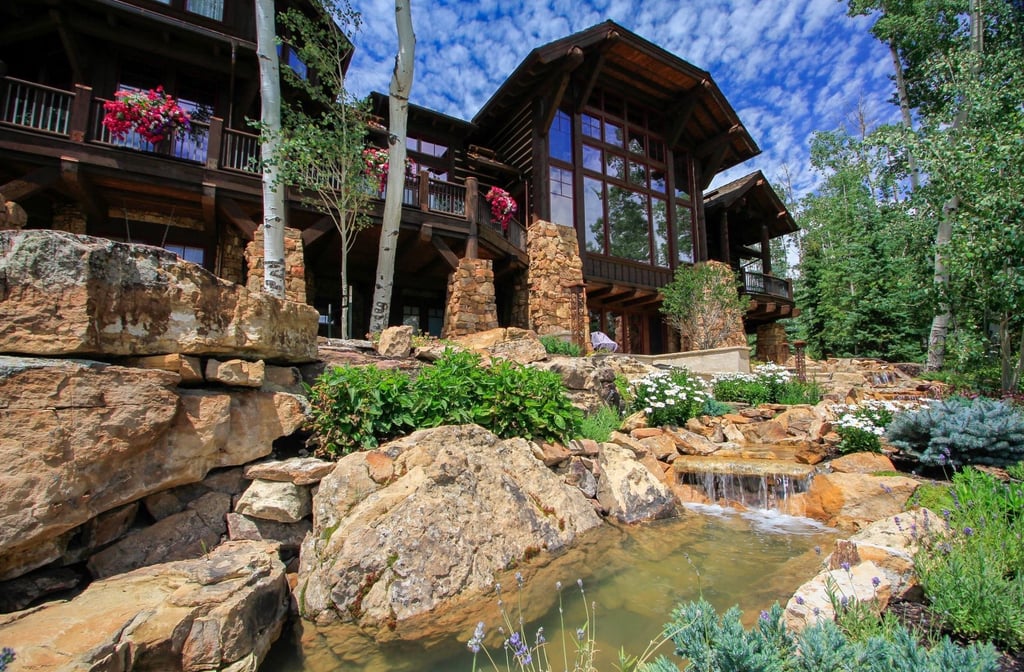
Colorado doesn't ease into spring. One week, you're navigating a late February freeze, the next a 70-degree afternoon has everyone convinced winter is over. Then a March storm rolls through and resets everything. If you've managed a luxury property along the Front Range for any length of time, you know the season doesn't announce itself. It ambushes you.
That compressed, unpredictable transition is exactly why spring startup for a Colorado estate requires intention. Our growing season is genuinely short. The window between the last meaningful freeze and the first August heat stress is narrower than most homeowners realize, and every week of that window counts. How you come out of winter determines how your landscape performs all season long.
This reality applies to estates and luxury homes from Cherry Hills Village and Greenwood Village to Castle Rock, Bow Mar, and the acreage properties stretching across Erie, Genesee, and the Boulder foothills. The investment in these landscapes is significant, and the margin for a disorganized spring is essentially zero.
This year, that urgency is compounded by what we've experienced over the past several months. Colorado has been running warm and dry for an extended stretch. Soil moisture deficits are real heading into spring, and landscapes that were already stressed going into winter are waking up thirsty. For properties across Highlands Ranch, Castle Pines, Lone Tree, and the broader Denver metro, this is not a normal spring startup. It requires a more deliberate approach.
Here is how to do it right.
Start With What Held the Fort All Winter
Cut Back Native and Ornamental Grasses
One of the most rewarding choices you can make in a Colorado luxury landscape is leaving your ornamental grasses standing through winter. Pampas grass, Karl Foerster, Blue Oat, and their kin provide genuine visual interest during an otherwise dormant season: the movement, the texture, the way they catch morning light against a grey February sky. Leave them. Enjoy them. But when early spring arrives, they need to come down before new growth begins pushing through the base.
Cut ornamental grasses back hard, to within four to six inches of the ground, before the new shoots get more than an inch or two of emergence. If you wait too long, you risk cutting live growth, and the cleanup becomes significantly more difficult. Use sharp loppers or hedge shears for clean cuts and remove all the debris fully. Left in place, the old material mats down over new growth and invites disease. For estate properties with extensive ornamental grass plantings, this is a multi-day task that benefits from professional coordination as part of a comprehensive spring property management plan.
Prepare Your Lawn for the Season Ahead
Luxury homes across the Front Range, from Cherry Hills Village and Boulder through Greenwood Village and Castle Rock, share one common challenge in spring: reclaiming lawn performance after a Colorado winter. The sequence matters as much as the effort.
Power Rake First, While the Lawn Is Dry
Before any watering begins, power rake your lawn while it is dry. Lawns that have developed a thick thatch layer (that dense, spongy mat of dead organic material sitting between the grass blades and the soil) need to be thinned before the season gets underway. Power raking dry turf is significantly more effective at pulling that material up and out cleanly. Plan for substantial debris removal afterward. A healthy thatch layer is a quarter inch or less. Anything beyond that is working against you.
Water Deeply Before Aeration
Once power raking is complete, run a deep watering cycle long enough to penetrate six to eight inches into the soil before you aerate. Given how dry Colorado has been heading into this spring, your lawn's root zone is likely moisture-deficient even if the surface looks fine. Aerating properly hydrated soil produces cleaner core pulls and delivers meaningfully better results than working through dry, compacted ground. This step is especially critical for properties in Erie, Broomfield, and the northern Front Range, where clay-heavy soils compact severely through the dry season.
Aerate to Open the Soil
Core aeration is one of the highest-return investments you can make in a Colorado lawn, and spring is one of the two ideal windows to do it. Pulling cores opens channels that allow water, oxygen, and fertilizer to move down to the roots rather than sitting on top of a compacted surface. For Front Range soils, which tend toward clay and compact aggressively over time, annual aeration is not a luxury. It is maintenance. For the large turf areas common to Cherry Hills Village, Greenwood Village, and Castle Pines estate properties, professional-grade aeration equipment is the only practical approach.
Weed and Feed After Aeration, Then Water to Activate
With the soil freshly opened, apply a quality granular weed-and-feed product across the lawn. Applying after aeration allows the granules to work their way into the soil profile more effectively. Once applied, water thoroughly to activate the granules and move them into the root zone. Do not apply and walk away. The product needs moisture to do its job, and in a dry spring, that means your irrigation system needs to be fully operational and properly calibrated.
A note on water restrictions: Colorado communities, including Denver Water, Aurora Water, and numerous municipalities along the Front Range, implement seasonal watering restrictions, and drought conditions can trigger additional emergency restrictions with little notice. Before activating your irrigation system for the season, confirm current restrictions for your specific service area. For principals managing multiple properties across jurisdictions, restriction schedules vary and should be tracked individually. Citations and fines are avoidable. Staying ahead of this is a core responsibility of professional estate management.
Address the Structure of Your Property
Exterior property care extends well beyond the landscape. For luxury homes and estate properties, the structural envelope requires its own spring checklist before Colorado's weather patterns shift.
Clean Every Gutter, Drain, and Perimeter Channel
Colorado's spring is deceptively dry until it isn't. Our monsoon pattern typically builds through late June and arrives in earnest in July, and when it does, it delivers water fast. Gutters packed with winter debris, downspouts partially blocked by a winter's worth of buildup, and French drains or perimeter channels around your foundation that haven't been cleared since fall are all liabilities waiting to activate.
Clean every gutter and flush every downspout. Walk the perimeter of your home and any outbuildings and clear any channel drains, area drains, or pop-up emitters that have collected debris. The same applies to pool deck drains. For the larger estate footprints common in Genesee, Bow Mar, and the Boulder foothills, perimeter drainage systems can be extensive and are often overlooked until the first significant rain event reveals the problem. Standing water against a pool deck or foundation during a heavy monsoon event is a problem that is exponentially easier to prevent than to repair.
Trim Branches Away From the Structure
Winter branch growth, storm damage, and the natural sprawl of trees coming out of dormancy all produce situations where limbs are closer to your roofline and gutters than they should be. Overhanging branches deposit debris directly into gutters the moment you've cleaned them. They also create squirrel highways onto your roof, an access problem that leads to a far more expensive pest management conversation.
Beyond the wildlife and debris concerns, proper clearance around the structure improves air circulation and reduces moisture retention against siding, fascia, and roofing material. Aim for a minimum of three feet of clearance between branch tips and your roofline, gutters, and any exterior walls. Have a certified arborist evaluate any limbs that require more than light trimming. Improper cuts on mature trees create long-term structural problems that cost significantly more to correct. The mature tree canopies that define the aesthetic character of properties in Cherry Hills Village, Castle Rock, and the older Boulder neighborhoods represent decades of growth and irreplaceable landscape value. They deserve professional handling.
Commission Your Irrigation System Properly
For any luxury property with an in-ground irrigation system, spring commissioning is one of the most consequential tasks of the entire year. An improperly started or unchecked system can waste thousands of gallons, generate water restriction violations, and silently kill the most valuable plantings on your property.
Conduct a Full Wet Check
Starting your irrigation system for the season is not simply turning a valve and assuming everything works. After a Colorado winter (with its freeze-thaw cycles, soil movement, and the occasional ground heave), broken heads, cracked lines, and misaligned rotors are common findings. A proper wet check means running every zone manually and physically walking each one while it operates: observing coverage patterns, identifying heads that are not rotating, heads spraying hardscape instead of turf or beds, and any point in the line producing a geyser rather than a spray.
Pay particular attention to drip zones and any emitters serving newly planted material from last season. These are the plants most vulnerable to coming out of winter stressed, and a failed emitter discovered in July is a tree you may have already lost. For properties across Highlands Ranch, Lone Tree, and the newer luxury developments in Castle Rock and Parker, where significant planting was done in 2024 and 2025, this step is not optional.
Improper irrigation coverage is also one of the primary contributors to water waste, an increasingly important concern given Colorado's water future and the restrictions already in place in many communities. A well-calibrated system waters efficiently. An unchecked system wastes water and money while still leaving plants dry in the spots the broken heads were supposed to reach.
A Final Word on the Season Ahead
The effort you invest in the first four to six weeks of spring determines the ceiling for your landscape's performance all season long. Colorado doesn't give you extra time to course-correct. A lawn that misses its aeration and feeding window, a gutter that backs up in the first monsoon, an irrigation head that runs all summer pointed at the driveway: these are the costs of a reactive approach.
For the families and households we serve across Colorado's premier communities, from Cherry Hills Village and Greenwood Village to Castle Pines, Erie, and the Boulder corridor, spring startup is not a weekend project. It is a coordinated operational effort that protects one of the most significant embedded investments on the property. Your landscape rewards the owners who treat it accordingly.
Get ahead of it. Your summer self will notice the difference.
A Luxury Homeowner's Spring Startup Guide for Colorado Estates
Colorado Estate Management has provided fractional estate management and luxury property oversight for discerning homeowners across Colorado's Front Range since 2011. For questions about your property's spring startup needs or to discuss a management consultation, we welcome the conversation.
Service Areas
Cherry Hills Village, Boulder, Broomfield, Erie, Denver, Lafayette, Superior, Niwot, and Longmont
YOUR LUXURY HOME SHOULD ENHANCE YOUR LIFE, NOT COMPLICATE IT
Fractional estate management for busy professionals and discerning homeowners who want expert property care without the complexity of hiring full-time staff.
Andrew H. Beardsley Owner
© 2011-2026. All rights reserved
Clients We Serve & Partner With